Rosie Hood
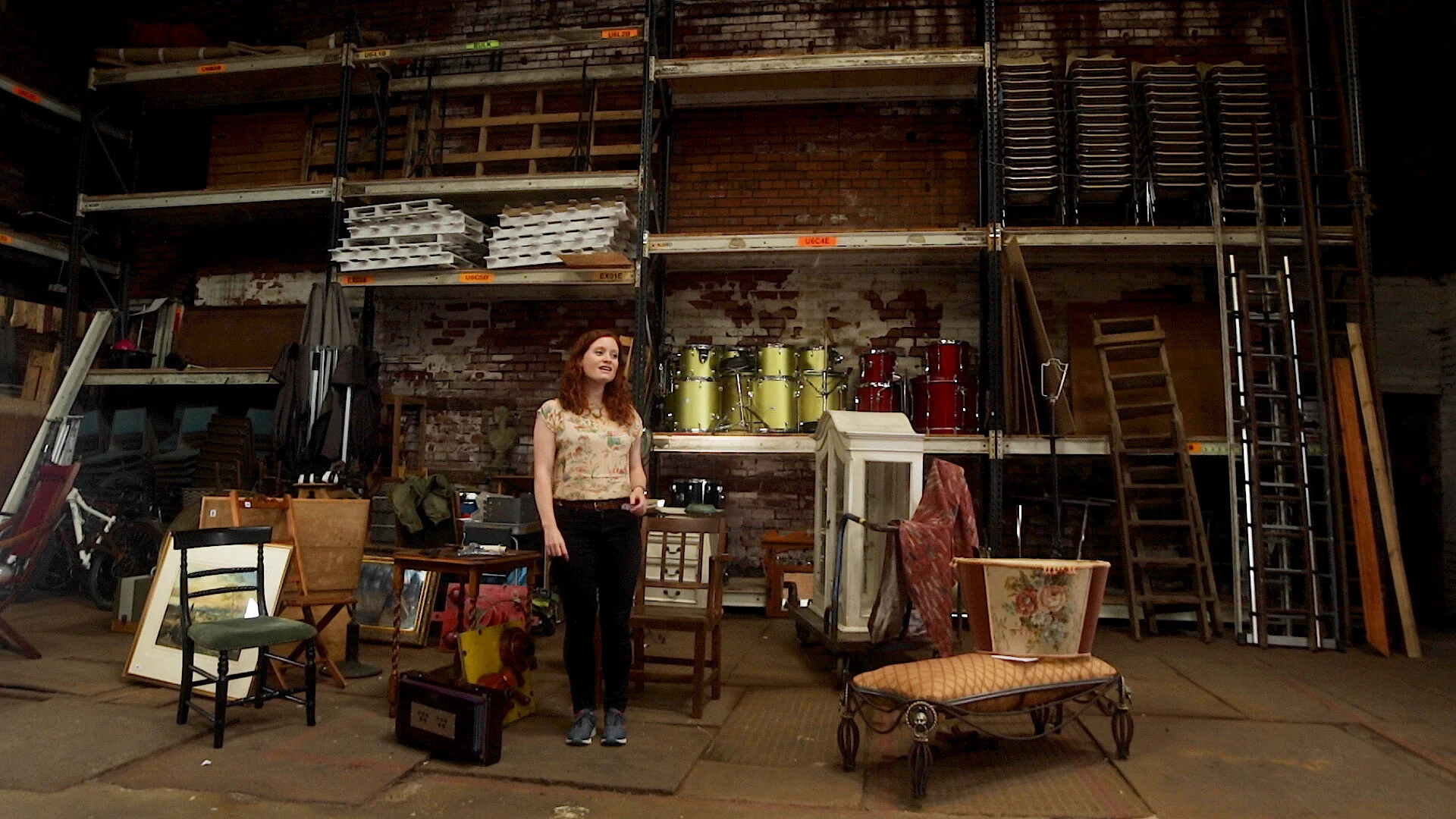
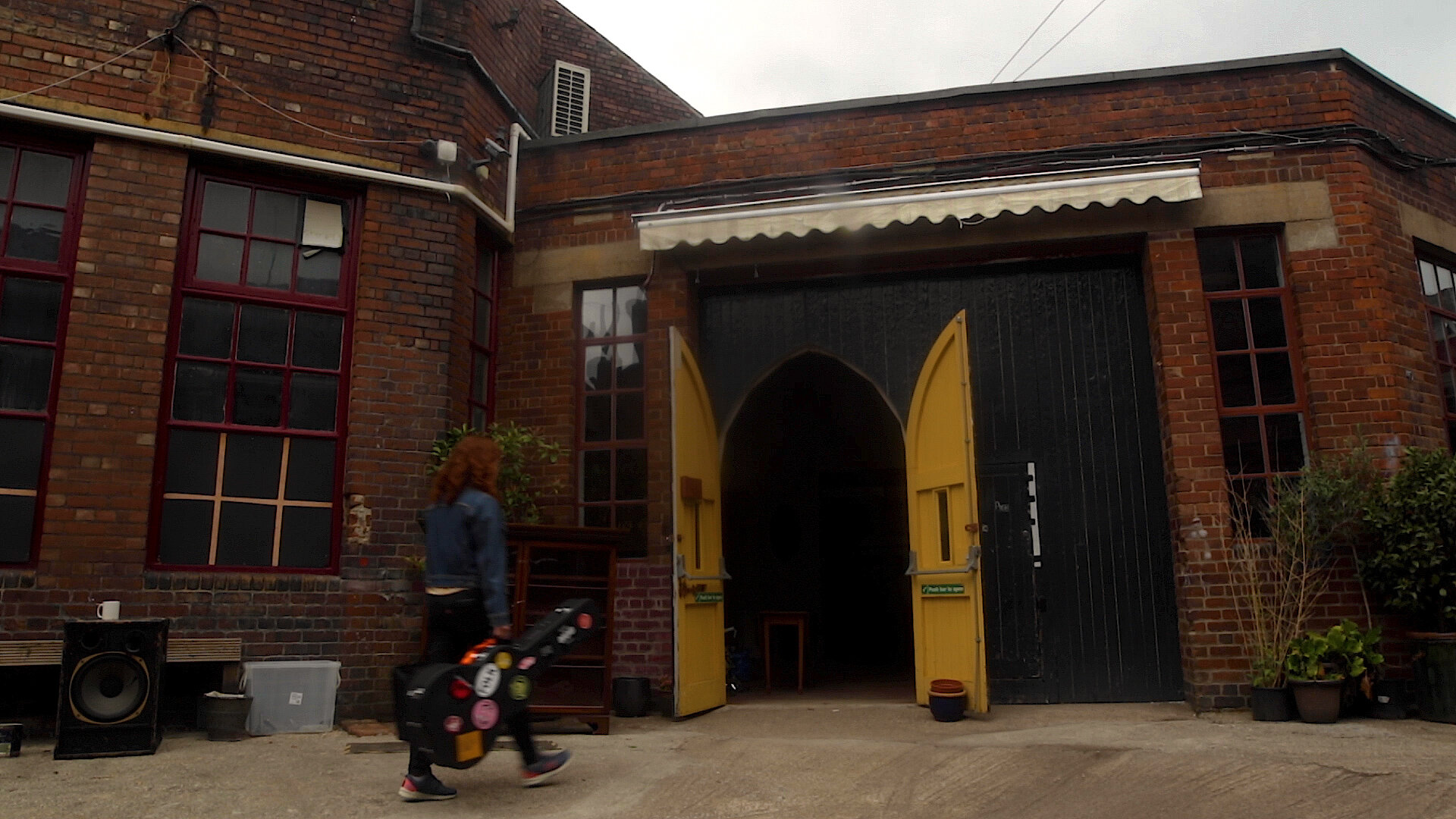
We recorded Rosie Hood in the warehouse at Yellow Arch Studios in Sheffield.
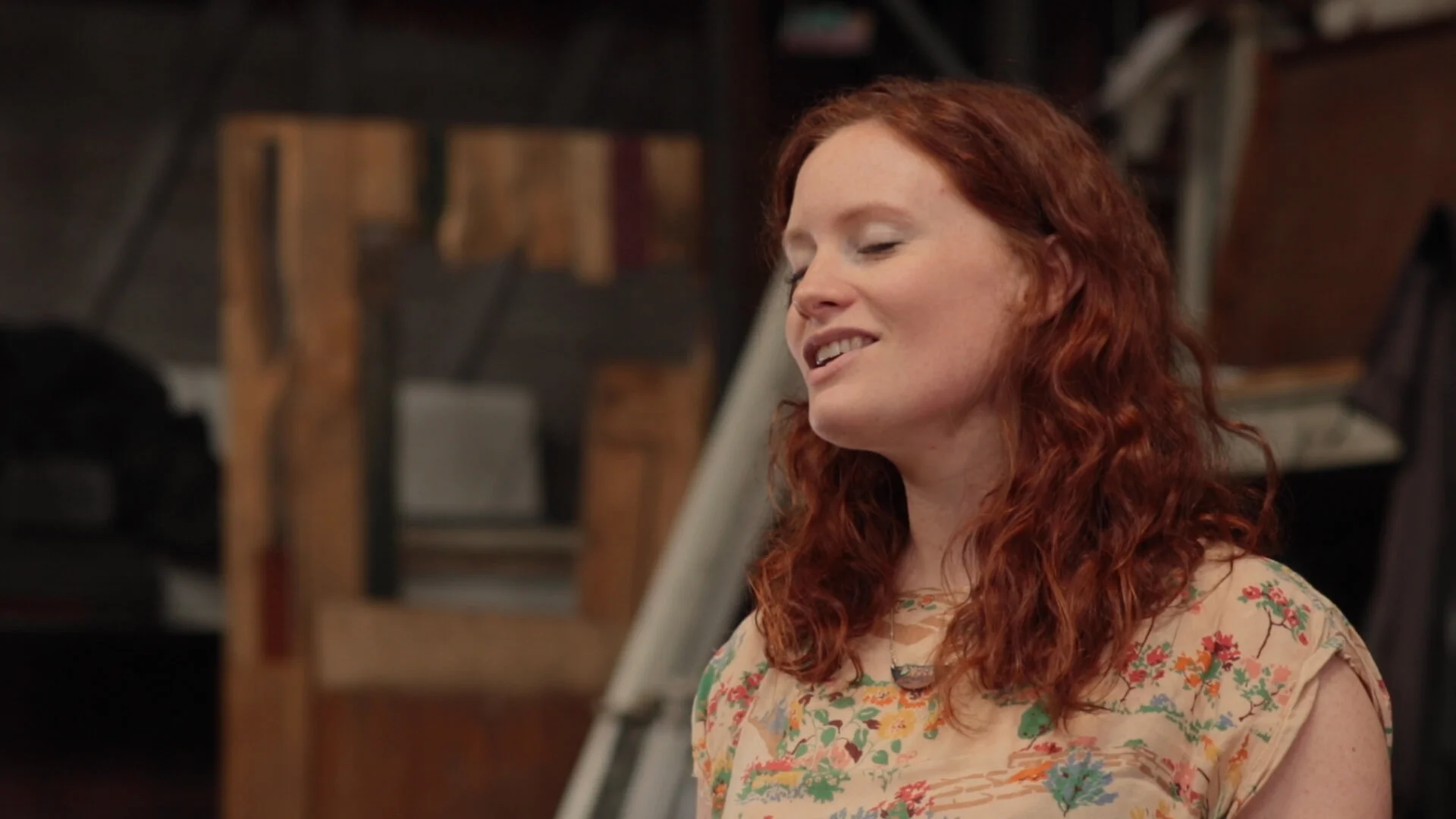
Rosie Hood is an English folk singer and songwriter from Wiltshire, who performs as a solo artist (having released her album “The beautiful and The reality”), as a member of the Dovetail Trio, as well as collaborating with variety of folk artists including Emily Portman and the Andy May Trio. As a solo artist, Rosie is a BBC Performing Arts Fellow in 2015 and a 2016 Horizon Award nominee.
The Yellow Arch Studios, Sheffield is a renovated victorian factory that has been used as a recording and performance space since 1997. Having started off as a nuts and bolts factory within the shipping companies in Sheffield, it was found and refurbished by the team, turning it into the successful recording studios it is today. As well as having produced a wide range of artists, the Yellow Arch Studios are also operating as equipment hire, teaching about the studio and as a live events performance space.
Having grown up around music, Rosie is fascinated with the history of traditional folk song, particularly around her home town. Both songs we recorded with Rosie came from different collectors that have a link to Wiltshire.
The first song that we recorded, “The Swallow”, was a short song that was collected by JY Ancherman in a book called “Wiltshire Tales from 1853”. This tune was written in the Wiltshire dialect, however Rosie has modernised some of the words. One of the main differences with the older Wiltshire accent compared to Rosie’s modern take, is the fact that the ‘S’ in Swallow would originally have been pronounced as a ‘Z’.
The second song we recorded was “The Blind Girl” (or The Little Blind Girl) which was collected by Alfred Williams who was known to collect tunes from around the Upper-Thames (Berkshire, Gloucestershire, Oxfordshire and Wiltshire). Usually, Williams would only record the lyrics to songs (without their original melody) as he wished to keep the songs for prosperity rather than with the intention of maintaining a tradition which was something we believe he didn’t expect people would do. In his book “Folk songs from the Upper-Thames”, Williams talks a little bit about how he saw the most important aspect of collecting as the responsibility to maintain the words to the songs and stories that would have been regularly shared, little did he realise the words would be put to tunes and sung years later.